

Coffee and Coffee Shops in Saudi Arabia: Tradition, Innovation, and Economic Growth
In Saudi Arabia, coffee is far more than a beverage. It is a cultural emblem, a social ritual, and increasingly, a dynamic economic sector. From the steaming cups of traditional Gahwa served in homes and majlis to the sleek specialty cafés crowding Riyadh’s boulevards, coffee has become a lens through which to view the Kingdom’s evolving identity. As Saudi cities expand and lifestyles modernize, the coffee business—anchored in heritage yet oriented toward innovation—is thriving, generating opportunities for entrepreneurs, farmers, and investors alike.
Cultural Roots: The Symbol of Hospitality
The cultural significance of coffee in Saudi Arabia is deeply ingrained. Serving coffee, particularly the lightly roasted Gahwa infused with cardamom and saffron, is an expression of hospitality, respect, and generosity. Mayada Badr, CEO of the Culinary Arts Commission, captures this sentiment by noting that “hospitality is central to who we are, and sharing food is how we express that.” The Commission has worked to preserve and promote this heritage through initiatives such as the Heritage Restaurant License Program, which celebrates establishments serving traditional Saudi cuisine and coffee, and through international events where Saudi coffee is presented as an emblem of national identity.
Coffee’s cultural resonance is further amplified by its recognition on the global stage. The inscription of Khawlani coffee beans from Jazan on UNESCO’s Intangible Cultural Heritage list underscores the Kingdom’s role as a custodian of Arabica coffee. According to Badr, even when introducing Saudi coffee to espresso-dominated markets like Italy, it found enthusiastic acceptance because “people are often more open than we expect—especially when something is presented with pride, context, and a story.”
The Booming Coffee Economy
While coffee’s cultural foundations remain strong, its economic dimensions are expanding rapidly. The Saudi coffee market was valued at nearly USD1.8 billion in 2024 and is expected to reach USD2.5 billion by 2030, growing at a healthy CAGR of over 5%. Parallel to this, the café industry itself is booming, with revenues surpassing USD6 billion in 2024 and projected to almost double by the end of the decade.
Urbanization and a young population are driving this growth. Cafés are proliferating across Riyadh, Jeddah, and the Eastern Province, while secondary cities like Abha, Buraidah, and Jazan are emerging as new coffee hubs. Osama Alawwam, Co-Founder of Roasting House, describes this transformation: “Historically, cafés were hubs for poets, politicians, and thinkers. Today, they are community spaces. Government initiatives like the Year of Saudi Coffee and PIF’s Saudi Coffee Company have helped formalize the ecosystem, preserving heritage while driving innovation.”
Specialty Coffee and the Rise of Local Brands
The surge of specialty coffee has been one of the most striking developments in Saudi Arabia’s café scene. Brands like Roasting House, founded in 2013, have redefined the coffee experience by focusing on quality, transparency, and storytelling. “We no longer describe ourselves as a coffee company,” Alawwam notes. “Since early 2024, we have redefined Roasting House as a customer experience company fueled by coffee.” Through innovations such as experimental fermentation lines and award-winning single-serve V60 sachets, Roasting House has not only captured consumer interest but also contributed to elevating industry standards.
This focus on experience resonates with Saudi consumers, particularly the younger demographic. They seek authenticity, education, and a sense of community from their coffee experiences. Alawwam explains how Roasting House embraced consultative selling, guiding customers through flavor profiles and brewing techniques: “Our goal was not to push high-priced items but to build trust and awareness. This approach turned customers into brand advocates.”
The competitive landscape is robust, with both international chains and homegrown brands expanding aggressively. Barn’s Café, for instance, now operates hundreds of outlets, while newer entrants like Half Million have built cult followings through their specialty offerings. The sector’s rapid growth, however, brings its own challenges, including high start-up failure rates and the need for constant differentiation.

Osamah M Alawwam
Co Founder, Roasting House
"Our goal was not to push high-priced items but to build trust and awareness. This approach turned customers into brand advocates.”
Osamah M Alawwam
Co Founder, Roasting House
"Our goal was not to push high-priced items but to build trust and awareness. This approach turned customers into brand advocates.”
Empowering Farmers and Local Production
At the heart of the Saudi coffee narrative is the drive to strengthen local production, particularly in the southern regions of Jazan, Asir, and Al-Baha. Khalid Abutheeb, CEO of Saudi Coffee Company (SCC), outlines an ambitious vision: “Our mission is to uplift the local coffee production, starting from farming up till the final product. We want to empower local farmers, increase their production, and boost the efficiency of coffee production.” SCC aims to increase domestic Arabica bean production from the current 300–400 tons to 2,500 tons, supported by investments exceeding SAR1.2 billion over the next decade.
To achieve this, SCC has launched initiatives such as the Saudi Coffee Company Academy, which provides training in sustainable farming techniques, processing, and product diversification. The company also collaborates with international partners to transfer technology and best practices to Saudi farmers. Abutheeb emphasizes that this integrated approach ensures not only quality control but also long-term sustainability: “Working on uplifting the agricultural end of the Saudi coffee production will instill trust in the local production and encourage Saudi entrepreneurs to build their own coffee businesses.”
This local empowerment strategy aligns with the broader Vision 2030 goals of economic diversification, sustainability, and job creation. By investing in local supply chains, SCC is not only fostering agricultural development but also supporting SMEs and promoting Saudi coffee brands globally.
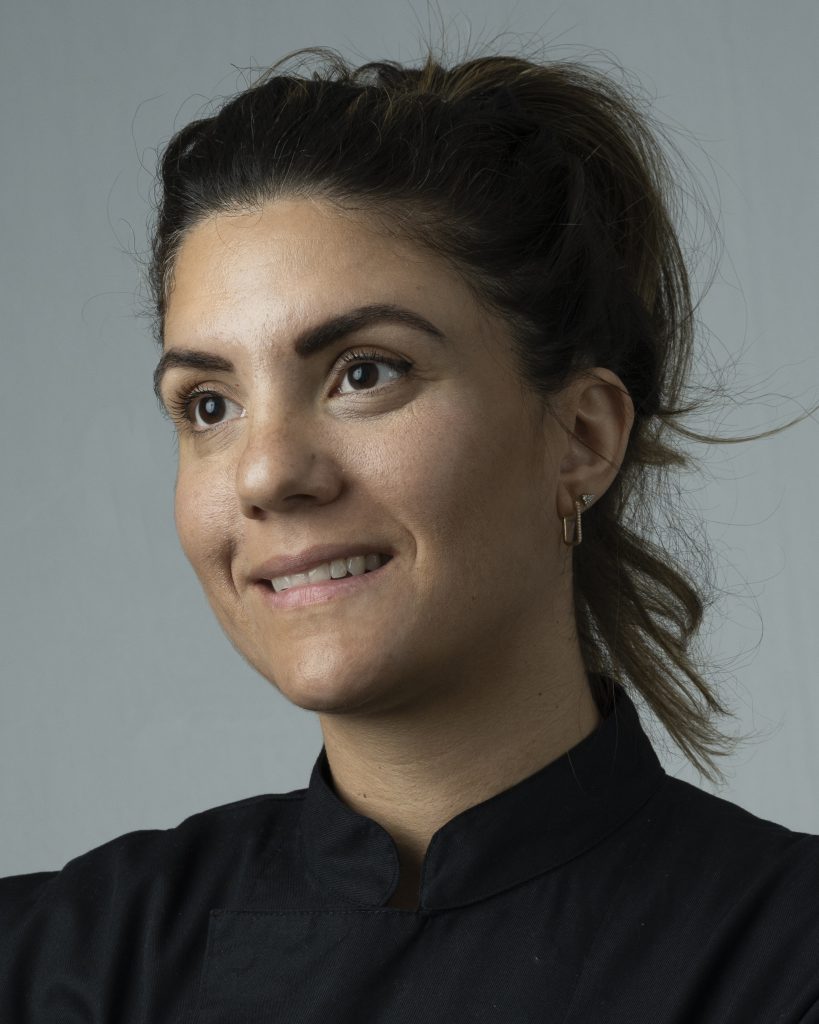
Mayada Badr
CEO of the Culinary Arts Commission
“The key is leading with confidence in the quality of our ingredients and the strength of our culinary identity.”

Khalid Abutheeb
CEO, Saudi Coffee Company
“Working on uplifting the agricultural end of the Saudi coffee production will instill trust in the local production and encourage Saudi entrepreneurs to build their own coffee businesses.”
Khalid Abutheeb
CEO, Saudi Coffee Company
“Working on uplifting the agricultural end of the Saudi coffee production will instill trust in the local production and encourage Saudi entrepreneurs to build their own coffee businesses.”
Sustainability and Global Expansion
Sustainability is a recurring theme among Saudi coffee industry leaders. Both Roasting House and SCC have integrated sustainability into their business models, from supporting farmers with organic techniques to adopting environmentally friendly practices across their operations. Alawwam notes that for Roasting House, sustainability “became critical during the pandemic” and now extends to subsidizing farmers’ transition to organic methods and investing in local agriculture.
On the international front, Saudi coffee is gaining recognition as a premium product. SCC’s launch of the brand JAZEAN, with plans to expand globally, marks a significant step in positioning Saudi Arabia as a “home of Arabica.” The company is also exploring collaborations where Saudi beans are blended with international varieties, further reinforcing the Kingdom’s global footprint.
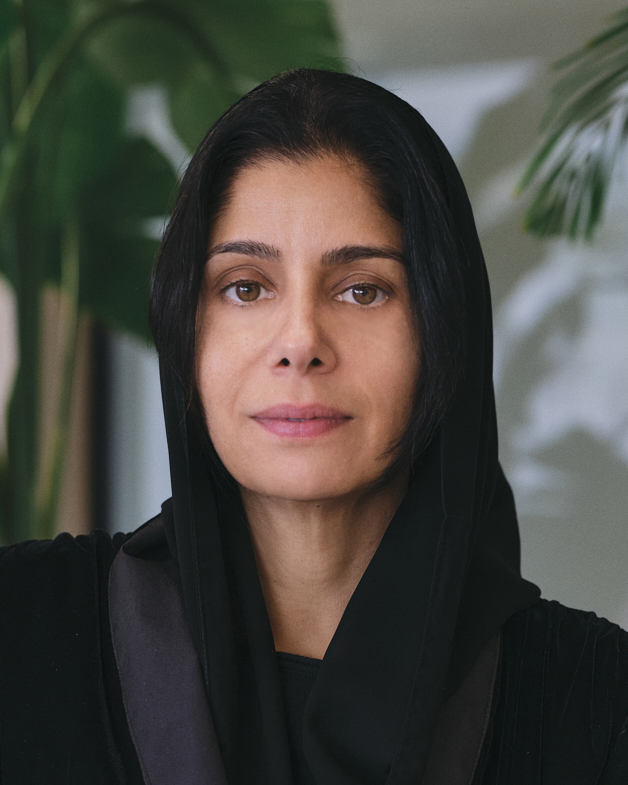
Dina Amin
CEO, The Visual Arts Commission
“Our mission is to ensure that the language of Saudi visual arts is not only heard domestically, but also firmly embedded in the global canon of art history.”
Coffee as a Vehicle for Cultural Exchange
Beyond economics, coffee serves as a bridge for cultural exchange and soft power. Badr’s experience with international culinary events highlights how Saudi coffee and cuisine can challenge assumptions and foster dialogue. “The same happened with Saudi coffee,” she recalls. “Some warned that our lightly roasted, cardamom-infused coffee wouldn’t appeal in espresso-driven cultures like Italy. But people are often more open than we expect—especially when something is presented with pride, context, and a story.”
This cultural export strategy is supported by various government initiatives, including the Culinary Arts Commission’s partnerships with global expos and competitions. By showcasing Saudi coffee alongside other culinary traditions, the Kingdom is reshaping international perceptions and inviting the world to experience its heritage firsthand.
The Road Ahead: Opportunities and Aspirations
Looking ahead to 2026, the Saudi coffee industry is poised for continued expansion and innovation. Roasting House plans to double its production capacity and maintain its ethos of customer-centric growth. “Growth for us is not just about volume but about impact,” says Alawwam. “We want to empower more farmers, train more professionals, and touch more lives through meaningful coffee experiences.”
For SCC, the goal is to establish Saudi Arabia as a regional hub for coffee, balancing supply and demand while enhancing global recognition. Abutheeb envisions a future where Saudi coffee is synonymous with quality and heritage: “Our aspiration is to become globally recognized as the ‘home of Arabica,’ showcasing Saudi hospitality and inviting the world to share our vision for progress through coffee.”
Meanwhile, the Culinary Arts Commission continues to promote Saudi coffee as part of a broader cultural narrative, integrating it into tourism, education, and international collaborations. Badr emphasizes that the key lies in confidence and authenticity: “It’s about sharing boldly, educating thoughtfully, and creating space for reinterpretation—without losing the essence of who we are.”
A Blend of Tradition and Transformation
The evolution of Saudi Arabia’s coffee sector reflects the Kingdom’s broader transformation—where tradition is not abandoned but reimagined for a modern context. Coffee, once a simple symbol of hospitality, has become a strategic economic asset, a cultural ambassador, and a driver of innovation. With visionary leadership, supportive policies, and a passionate consumer base, the Kingdom’s coffee industry is set to thrive, contributing to both national pride and economic prosperity. As the aroma of Saudi coffee wafts beyond its borders, it carries with it a powerful message: a nation honoring its roots while daring to dream.

