

Saudi Arabia’s Cultural Renaissance: From Heritage to a Global Creative Economy
Saudi Arabia is experiencing an unprecedented cultural renaissance, one that is not only reshaping the Kingdom’s identity, but also fueling its economic diversification under Vision 2030.
Saudi Arabia’s ongoing cultural transformation is not confined to heritage preservation; it spans contemporary arts, culinary diplomacy, fine art logistics, and large-scale events that position the Kingdom as a cultural powerhouse. The Business Year recently engaged with leading figures in this evolving ecosystem—including Paul Williamson, CEO of Constantine KSA; Nouf Al-Moneef, Director of Noor Riyadh; Nour Kelani, Managing Director of Christie’s Saudi Arabia; Mayada Badr, CEO of the Culinary Arts Commission; and Dina Amin, CEO of the Visual Arts Commission. Their insights reveal how Saudi Arabia is cultivating a cultural economy that marries tradition with innovation, attracting global attention while fostering local talent.
Infrastructure for Creativity: Fine Art Logistics as a Cultural Enabler
The development of Saudi Arabia’s cultural industries relies on more than exhibitions and events—it requires the infrastructure and expertise to handle valuable artworks and installations with precision. Paul Williamson, CEO of Constantine KSA, described the company’s role as an enabler of the Kingdom’s cultural ambitions. “The pace and depth of cultural change in Saudi Arabia are truly remarkable, and we see ourselves as an enabler of this transformation,” he explained. Constantine has introduced museum-grade storage, Saudi-built fine art transport vehicles, and heritage conservation workshops, directly supporting projects from Desert X AlUla to Noor Riyadh. By integrating logistics with cultural consultancy through Constant Art, the company ensures that exhibitions and public art installations meet international standards while embedding local capacity building into its operations.
Williamson underscored that Constantine’s mission goes beyond moving art: it’s about creating a knowledge economy. “Capacity building is not just a goal; it is embedded into our operating philosophy,” he noted. Training Saudi technicians, mentoring young professionals, and advising on museum infrastructure are part of a long-term commitment that aligns with Vision 2030’s goal of nurturing a sustainable creative ecosystem.
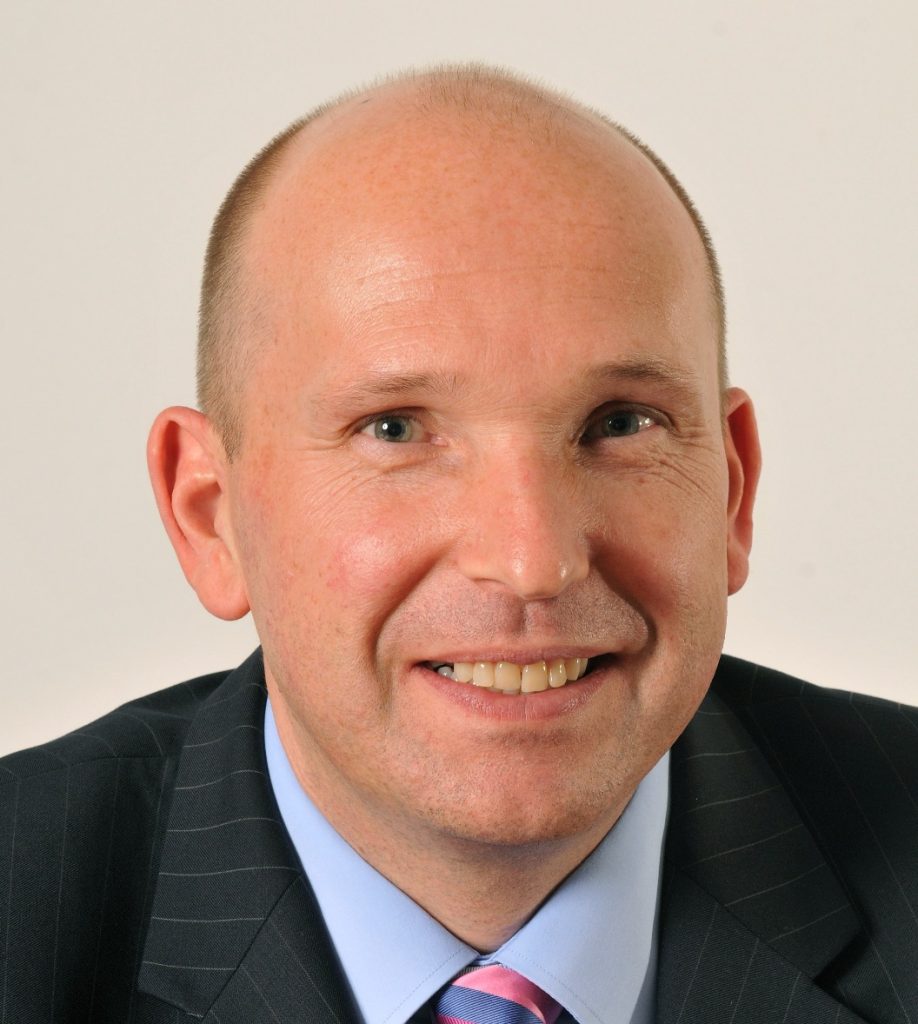
Paul Williamson
Founder & CEO, Constantine KSA
“The pace and depth of cultural change in Saudi Arabia are truly remarkable, and we see ourselves as an enabler of this transformation.”
Noor Riyadh: Illuminating the Global Stage
At the forefront of Saudi Arabia’s cultural events is Noor Riyadh, the world’s largest light art festival. Directed by Nouf Al-Moneef, the festival has attracted over five million visitors since its launch in 2021. Al-Moneef highlights Noor Riyadh’s dual mission: fostering local creativity and positioning Riyadh as a global cultural hub. “Community engagement lies at the heart of Noor Riyadh’s mission,” she explained. “We implement extensive public programming designed to make contemporary art accessible and engaging for diverse audiences.”
The festival’s curatorial approach pairs Saudi curators with international counterparts, ensuring a dialogue between local talent and global artists. With more than 30% of participating artists being Saudi, Noor Riyadh creates a platform where homegrown creativity thrives alongside international contributions. The impact extends beyond tourism; the festival stimulates economic activity, generates youth employment, and establishes Riyadh as an open-air gallery with permanent installations like Star in Motion atop Kingdom Tower.
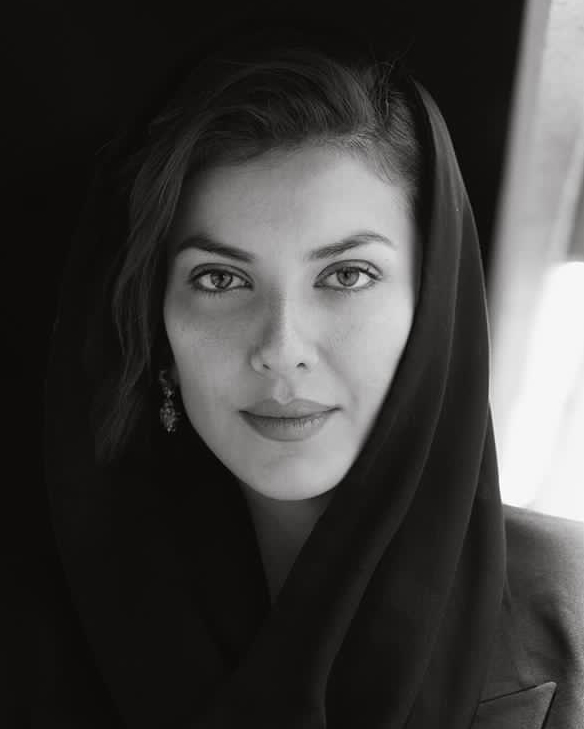
Nouf Al-Moneef
Director, Noor Riyadh
“We implement extensive public programming designed to make contemporary art accessible and engaging for diverse audiences.”
Al-Moneef envisions a future where Noor Riyadh continues to integrate cutting-edge technologies—drones, advanced digital media, and interactive installations—while expanding its global footprint through collaborations and exhibitions abroad. The festival exemplifies how cultural events can drive economic diversification while amplifying Saudi Arabia’s international cultural presence.
Christie’s in Riyadh: Building a Sophisticated Collector Base
Saudi Arabia’s art market is rapidly maturing, attracting global players like Christie’s, which opened its Riyadh office in 2024. Nour Kelani, Managing Director of Christie’s Saudi Arabia, sees the Kingdom as one of the most dynamic emerging markets for art and luxury. “Saudi Arabia’s transformation into a cultural hub is evidenced by the development of major institutions and landmark sites, alongside a surge in collector activity,” she said. Between 2019 and 2024, the number of Saudi bidders and buyers increased by 150%, reflecting both local appetite and confidence in the art market.
Christie’s strategy balances attracting seasoned collectors with cultivating new buyers, particularly among millennials. Educational programs, curated exhibitions, and advisory services demystify collecting and build long-term relationships. Kelani also highlighted Saudi Arabia’s increasing international visibility: “Saudi artists are increasingly being recognized for the originality and cultural resonance of their work,” she observed. Through auctions, exhibitions, and partnerships with cultural institutions, Christie’s is amplifying Saudi narratives globally while advising local institutions on building world-class collections.
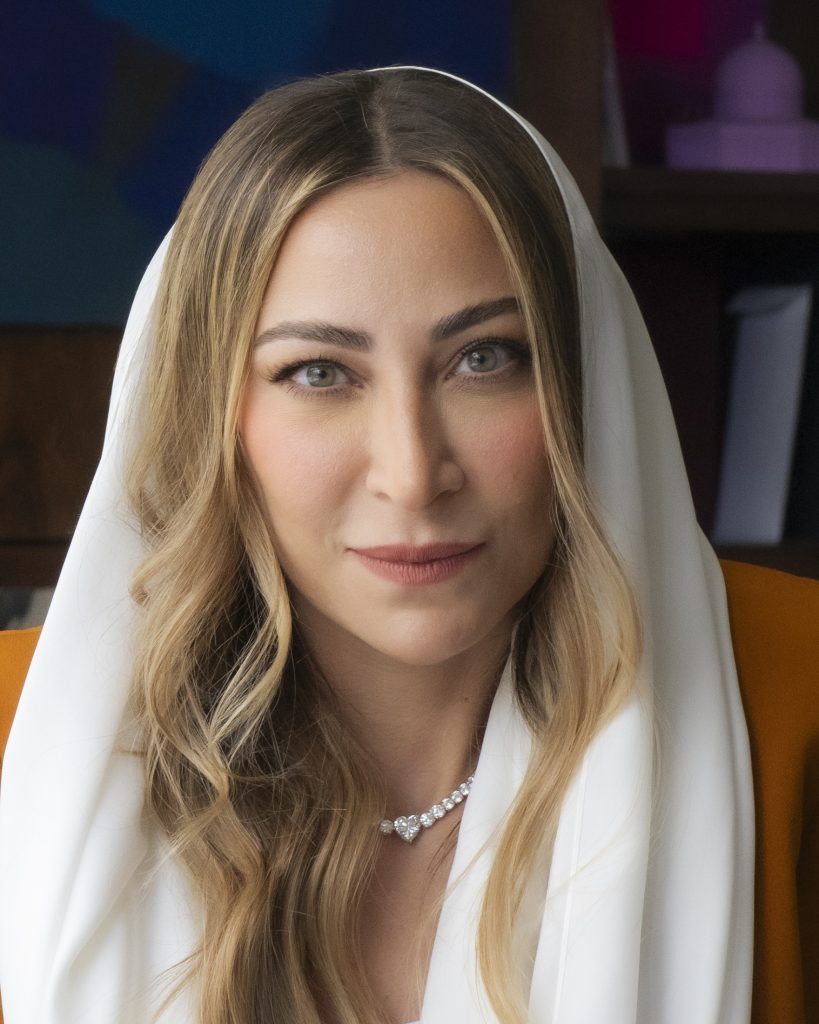
Nour Kelani
Managing Director, Christie’s Saudi Arabia
“Saudi artists are increasingly being recognized for the originality and cultural resonance of their work.”
Gastro-Diplomacy: Culinary Arts as Cultural Capital
Food has become a powerful tool for cultural diplomacy, as emphasized by Mayada Badr, CEO of the Culinary Arts Commission. “Food is one of the most generous expressions of culture—it tells stories, carries memory, and creates connection,” she stated. Under her leadership, the commission has documented regional recipes, supported young chefs, and created programs that integrate culinary arts into education. This institutional support is transforming perceptions of the culinary profession, positioning it as a legitimate and respected career path.
Badr’s approach to sharing Saudi cuisine with the world is rooted in authenticity and innovation. “The key is leading with confidence in the quality of our ingredients and the strength of our culinary identity,” she explained. Initiatives like the Heritage Restaurant License Program and immersive culinary tours invite travelers to experience Saudi culture through food. International collaborations, including at the Saudi Pavilion in Japan and global culinary competitions, are showcasing the Kingdom’s flavors on the world stage.
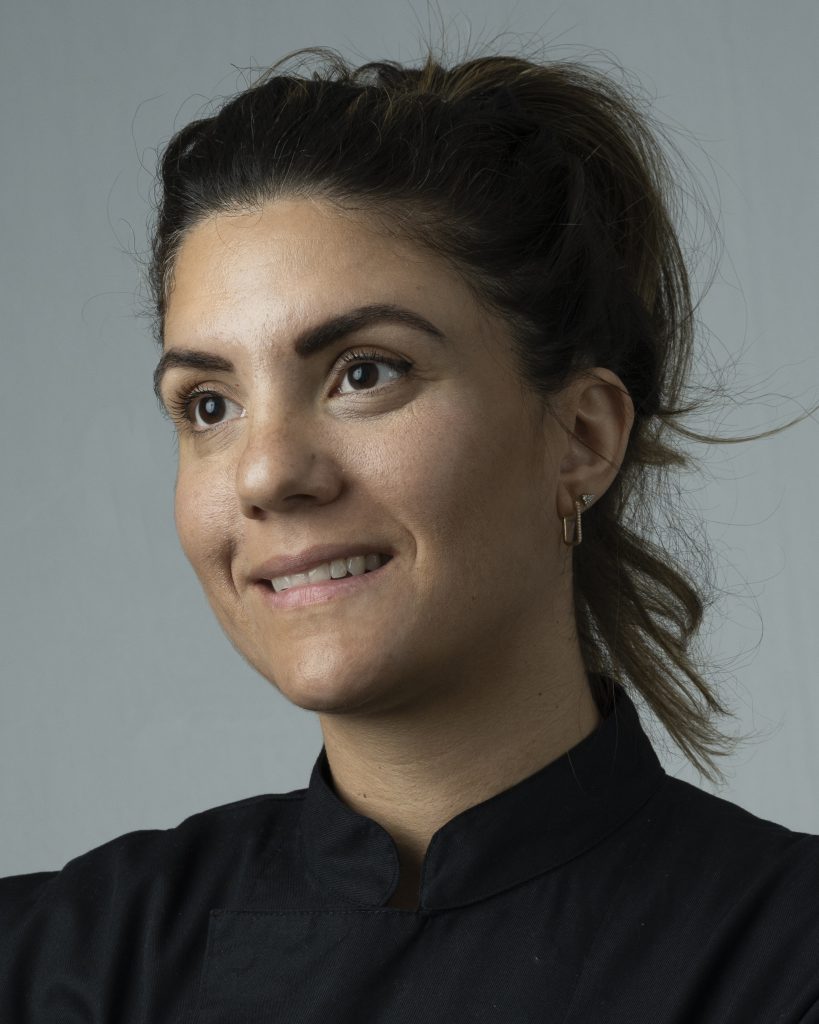
Mayada Badr
CEO of the Culinary Arts Commission
“The key is leading with confidence in the quality of our ingredients and the strength of our culinary identity.”
With 2025 set to be a landmark year, the commission plans to release encyclopedic volumes on Saudi regional cuisines, expand culinary tourism, and integrate Saudi ingredients into global gastronomy. Badr’s vision transforms food from tradition into economic opportunity, reinforcing culture as a driver of growth.
Visual Arts: Building a Global Cultural Narrative
The Visual Arts Commission, led by Dina Amin, is laying the foundations for a sustainable visual arts ecosystem. “Our mission is to ensure that the language of Saudi visual arts is not only heard domestically, but also firmly embedded in the global canon of art history,” Amin emphasized. Her strategy focuses on infrastructure, talent development, and international engagement, with initiatives like the Intermix residency program and Art Week Riyadh creating platforms for cross-cultural exchange.
Under Amin’s leadership, the commission has democratized access to the arts through inclusive programming and educational initiatives, while amplifying Saudi artists’ visibility at global platforms like the Venice Biennale. Events such as Art Week Riyadh redefine the art fair model, integrating commercial galleries with curated exhibitions that celebrate Saudi heritage and contemporary creativity. These programs generate employment, attract investors, and strengthen Saudi Arabia’s cultural brand.
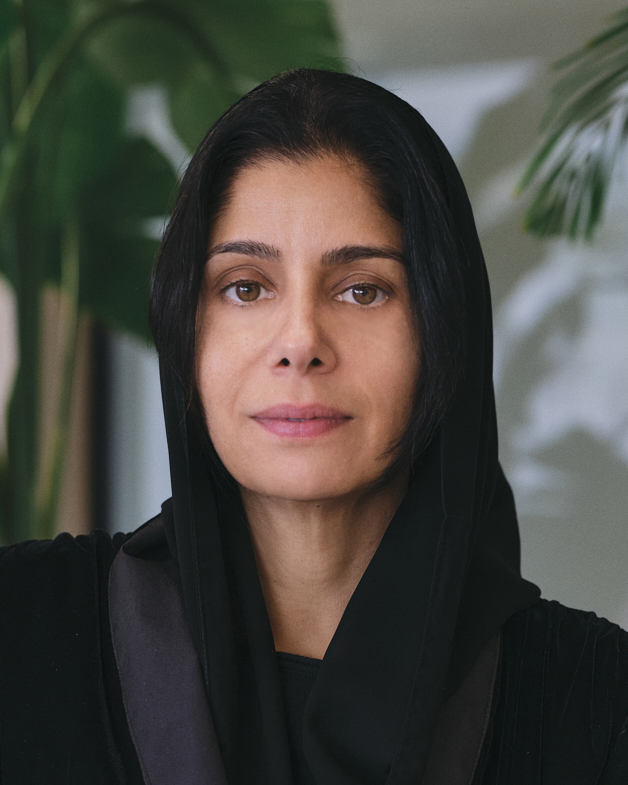
Dina Amin
CEO, The Visual Arts Commission
“Our mission is to ensure that the language of Saudi visual arts is not only heard domestically, but also firmly embedded in the global canon of art history.”
Looking ahead, the commission’s plans include expanding residencies, mentorship programs, and international partnerships, ensuring that Saudi art continues to inspire and influence global cultural dialogues.
Culture as an Economic Engine
Vision 2030’s economic diversification. Investments in museums, festivals, culinary tourism, and creative industries are generating revenue, creating jobs, and attracting international partnerships. The integration of logistics, education, gastronomy, and cutting-edge technology underlines a holistic approach where culture drives both identity and growth.
From Noor Riyadh’s global acclaim to Christie’s expansion and Constantine’s logistical innovation, the Kingdom is cultivating an ecosystem where cultural production becomes cultural capital. Gastro-diplomacy and visual arts development further reinforce Saudi Arabia’s position as a leading global cultural hub.
Culture at the Core of Vision 2030
As Saudi Arabia continues its journey toward becoming a global cultural destination, the synergy between public policy, private investment, and creative talent becomes increasingly evident. The voices of Nouf Al-Moneef, Nour Kelani, Mayada Badr, Dina Amin, and Paul Williamson reflect a collective ambition: to position culture not as a secondary asset but as a primary driver of national development.
The Kingdom’s cultural sector is evolving into a sophisticated, interconnected ecosystem that bridges tradition and innovation, local identity and global relevance. With strategic investments, international partnerships, and grassroots talent cultivation, Saudi Arabia is not just promoting culture—it is building a creative economy that will define its future.

